battle, major, interwar and Second World War
Battle of Gazala
Battle of Gazala was a battle fought on 26 May 1942 at Gazala, in what is now Libya; it lasted 26 days. It was part of the Mediterranean and Middle East Theater of World War II, which ran from 1940 to 1945. The recorded result: Axis victory.
See it on the globe Read the article

Where it sits in the Mediterranean and Middle East Theater of World War II
Record
| Date | 26 May 1942 to 21 June 1942 | |
|---|---|---|
| Place | Gazala, Libya 31.950N, 23.450E | |
| Kind | Battle, interwar and Second World War | |
| Territorial change | Northeastern Marmarica recaptured by Axis forces. | |
The ground today
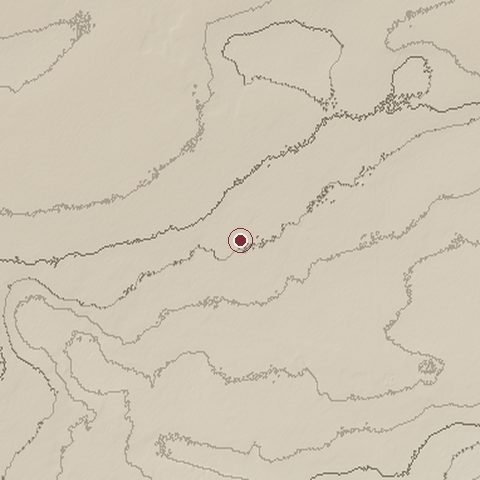

The recorded site stands at about 175 m; within 10.0 km the ground runs from 144 to 190 m, 45 m of relief, flat country and today it is 100% bare ground.
Elevation from the Copernicus DEM GLO-30 (ESA, Airbus); land cover from ESA WorldCover 2021 (CC BY 4.0), within about 5 km of the recorded site. Computed, not recorded.Nearest engagements
- Battle at Bir el Harmat 1942, 37 km S
- Battle of Bir Hakeim 1942, 40 km S
- Battle of Tobruk 1911, 50 km E
- British capture of Tobruk 1941, 50 km E
- Siege of Tobruk 1941, 50 km E
In the same war
- Before: Second Battle of Sirte 22 March 1942
- After: Battle of Bir Hakeim 26 May 1942
- All 34 engagements of Mediterranean and Middle East Theater of World War II
Elsewhere in 1942
- Battle of Stalingrad Russia
- Battle of Midway United States
- Battle of the Coral Sea
- Second Battle of El Alamein Egypt
- First Battle of El Alamein Egypt
Battle of Gazala is one of 2,997 engagements of the 20th century in the atlas and one of 57 in present-day Libya.
Sources
Identity, coordinates, dates and the war from Wikidata Q327035, released under CC0. Result, belligerents, commanders, strength and casualties from the infobox of the English Wikipedia article Battle of Gazala, revision 1384465171, read 2026-11-14, licensed CC BY-SA 4.0; the article's text is not reproduced here. Present-day country and state from Natural Earth. Dates before 1582 follow the Julian calendar as recorded.