battle, major, medieval
Battle of Fulford
Battle of Fulford was a battle fought on 20 September 1066 at Fulford, in what is now United Kingdom. It was part of Q1379246. The recorded result: Norwegian victory. Recorded strength: ~10,000 (6,000 deployed) against ~3,000 from Northumbria; ~1,800 from Mercia.
See it on the globe Read the article

Where it sits in Q1379246
Record
| Date | 20 September 1066 | |
|---|---|---|
| Place | Fulford, United Kingdom 53.932N, 1.071W | |
| Kind | Battle, medieval | |
| Territorial change | Norwegians gain Fulford and later York | |
| Strength | ~10,000 (6,000 deployed) | ~3,000 from Northumbria; ~1,800 from Mercia |
| Casualties and losses | <1,000 | Unknown, purportedly heavy losses. |
| Commanders |
|
|
The ground today
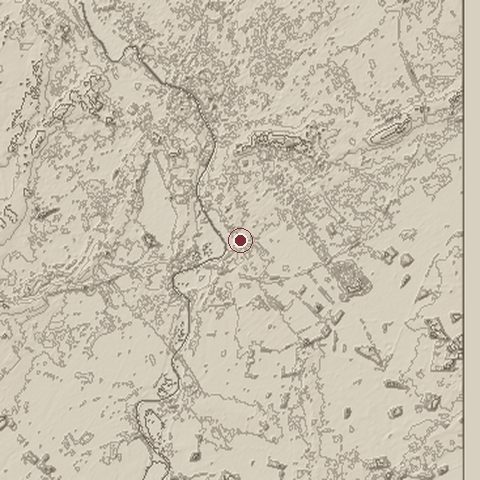
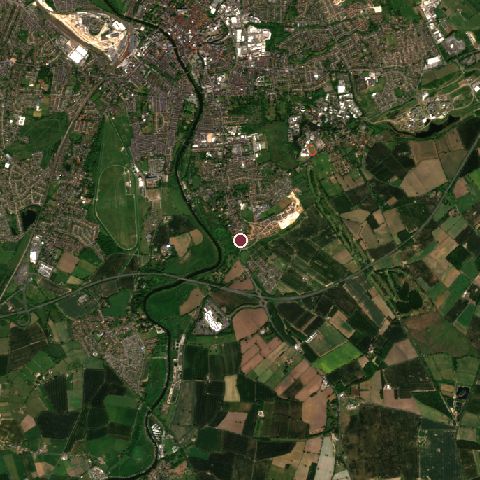
The recorded site stands at about 13 m; within 10.0 km the ground runs from -1 to 47 m, 48 m of relief, flat country and today it is 33% cropland, 24% grassland, 23% built-up.
Elevation from the Copernicus DEM GLO-30 (ESA, Airbus); land cover from ESA WorldCover 2021 (CC BY 4.0), within about 5 km of the recorded site. Computed, not recorded.Nearest engagements
- Siege of York 1644, 2.1 km NW
- Battle of York AD 867, 2.9 km N
- Battle of Stamford Bridge 1066, 12 km NE
- Battle of Marston Moor 1644, 12 km W
- Battle of Tadcaster 1642, 14 km SW
Contested ground: this site was fought over 3 times between AD 867 and 1644.
In the same war
- Before: Battle of Assandun 18 October 1016
- After: Battle of Stamford Bridge 25 September 1066
Elsewhere in 1066
- Battle of Hastings United Kingdom
- Battle of Segré France
- Battle of Pouancé France
Battle of Fulford is one of 318 engagements of the 11th century in the atlas and one of 695 in present-day United Kingdom.
Sources
Identity, coordinates, dates and the war from Wikidata Q1113659, released under CC0. Result, belligerents, commanders, strength and casualties from the infobox of the English Wikipedia article Battle of Fulford, revision 1383424465, read 2026-11-14, licensed CC BY-SA 4.0; the article's text is not reproduced here. Present-day country and state from Natural Earth. Dates before 1582 follow the Julian calendar as recorded.