battle, landmark, nineteenth century
Battle of Balaclava
Battle of Balaclava was a battle fought on 25 October 1854 at Balaklava, in what is now Russia. It was part of the Crimean War, which ran from 1853 to 1856. The recorded result: Indecisive.
See it on the globe Read the article

Where it sits in the Crimean War
Record
| Date | 25 October 1854 | |
|---|---|---|
| Place | Balaklava, Russia 44.572N, 33.573E | |
| Kind | Battle, nineteenth century | |
| Strength | 28,000 in all; 20,000 British, 41 guns; 7,000 French; 1,000 Turkish; 6,600 initially in position; total engaged unknown | 25,000 and 78 guns in all; 16,000 in the detachment, with 54 guns |
| Casualties and losses | 598 to 850 | 550 to 627 |
| Commanders |
|
|

The ground today
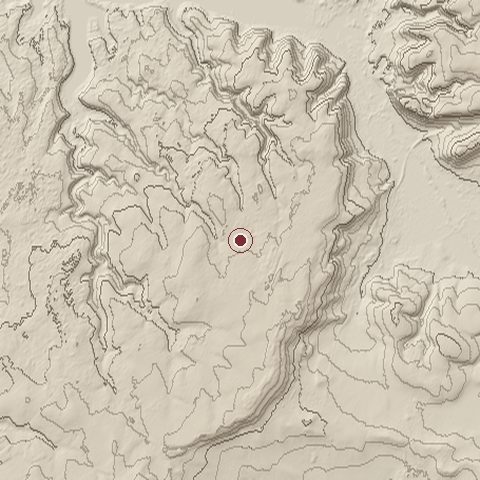
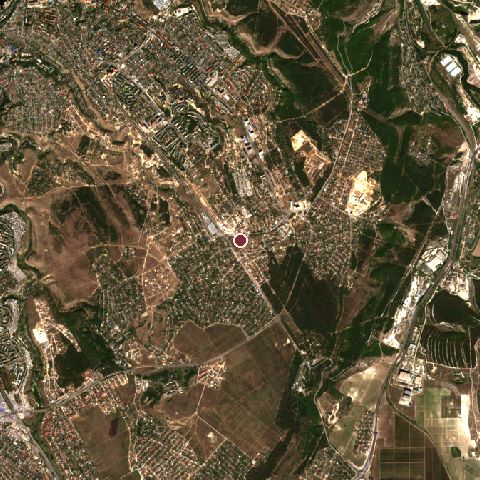
The recorded site stands at about 170 m; within 10.0 km the ground runs from 0 to 249 m, 249 m of relief, hilly country and today it is 37% tree cover, 31% grassland, 30% built-up.
Elevation from the Copernicus DEM GLO-30 (ESA, Airbus); land cover from ESA WorldCover 2021 (CC BY 4.0), within about 5 km of the recorded site. Computed, not recorded.Nearest engagements
- Battle of Inkerman 1854, 2.1 km NE
- Battle of Malakoff 1855, 4.0 km NW
- Siege of Sevastopol 1941, 4.5 km NW
- Charge of the Light Brigade 1854, 5.5 km SE
- Thin Red Line 1854, 5.8 km S
Contested ground: this site was fought over 9 times between 1434 and 1941.
In the same war
- Before: Battle of Alma 20 September 1854
- After: Charge of the Light Brigade 25 October 1854
- All 28 engagements of Crimean War
Elsewhere in 1854
- Grattan massacre United States
- Battle of Bomarsund Finland
- Skirmish of Halkokari Finland
- Battle of Muddy Flat People's Republic of China
- Siege of Calafat Romania
Battle of Balaclava is one of 3,507 engagements of the 19th century in the atlas and one of 350 in present-day Russia.
Sources
Identity, coordinates, dates and the war from Wikidata Q464512, released under CC0. Result, belligerents, commanders, strength and casualties from the infobox of the English Wikipedia article Battle of Balaclava, revision 1373774434, read 2026-11-14, licensed CC BY-SA 4.0; the article's text is not reproduced here. Present-day country and state from Natural Earth. Dates before 1582 follow the Julian calendar as recorded.