siege, major, medieval
Siege of Antioch
Siege of Antioch was a siege conducted on 20 October 1097 at Antioch, in what is now Turkey; it lasted 8 months. It was part of First Crusade, which ran from 1096 to 1099. The recorded result: Crusader victory.
See it on the globe Read the article

Where it sits in First Crusade
Record
| Date | 20 October 1097 to 28 June 1098 | |
|---|---|---|
| Place | Antioch, Turkey 36.202N, 36.161E | |
| Kind | Siege, medieval | |
| Territorial change | Antioch captured by the Crusaders; Principality of Antioch is founded | |
| Strength | Crusaders: ~40,000 total at the start of the siege (includes non-combatants); ~20,000 during the second siege against Kerbogha; Byzantines: 2,000 light infantry and naval support | Antiochene garrison: ~5,000; Duqaq's Damascene relief force: ~10,000; Radwan's Aleppine relief force: ~12,000; Kerbogha's Mosulian relief force: ~35,000–40,000; "No good estimates" (Western sources) |
| Casualties and losses | Very Reduced | 10,000 killed; Many civilians, including Armenian and Melkite Christians and Muslims |
| Commanders |
|
|


The ground today
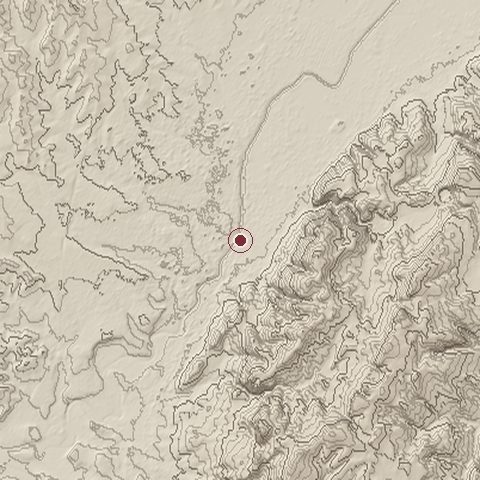
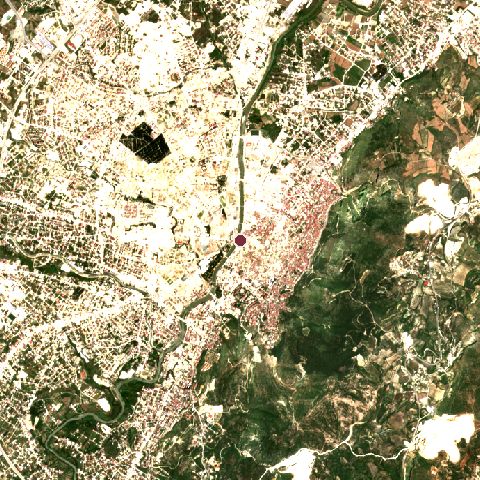
The recorded site stands at about 82 m; within 10.0 km the ground runs from 44 to 616 m, 572 m of relief, steep country and today it is 48% built-up, 32% tree cover, 8% grassland.
Elevation from the Copernicus DEM GLO-30 (ESA, Airbus); land cover from ESA WorldCover 2021 (CC BY 4.0), within about 5 km of the recorded site. Computed, not recorded.Nearest engagements
- Battle of the Oenoparus 145 BC, 0.4 km S
- Siege of Antioch 1268, 1.1 km W
- Battle of Antioch AD 218, 1.1 km W
- Siege of Antioch AD 253, 1.1 km W
- Siege of Antioch AD 968, 1.1 km W
Contested ground: this site was fought over 9 times between 145 BC and 1268.
In the same war
- Before: Siege of Tarsus 1097
- After: Battle of al-Barâ 1098
- All 12 engagements of First Crusade
Elsewhere in 1097
- Battle of Gvozd Mountain Croatia
- Battle of Bairén Spain
- Battle of Consuegra Spain
- Battle of Suzdal Russia
Siege of Antioch is one of 318 engagements of the 11th century in the atlas and one of 622 in present-day Turkey.
Sources
Identity, coordinates, dates and the war from Wikidata Q741098, released under CC0. Result, belligerents, commanders, strength and casualties from the infobox of the English Wikipedia article Siege of Antioch, revision 1384380390, read 2026-11-14, licensed CC BY-SA 4.0; the article's text is not reproduced here. Present-day country and state from Natural Earth. Dates before 1582 follow the Julian calendar as recorded.