battle, major, medieval
Battle of Ager Sanguinis
Battle of Ager Sanguinis was a battle fought on 28 June 1119 at Sarmada, in what is now Syria. It was part of Crusades, which ran from 1095 to 1291. The recorded result: Artuqid victory. Recorded strength: 20,000 against 7,000–11,000; • 700 knights; • 500 Armenian cavalry; • 3,000 infantry; • Turcopoles and auxiliaries.
See it on the globe Read the article

Where it sits in Crusades
Record
| Date | 28 June 1119 | |
|---|---|---|
| Place | Sarmada, Syria 36.179N, 36.719E | |
| Kind | Battle, medieval | |
| Strength | 20,000 | 7,000–11,000; • 700 knights; • 500 Armenian cavalry; • 3,000 infantry; • Turcopoles and auxiliaries |
| Casualties and losses | Unknown, possibly heavy | Most killed; 570 captured, of whom 30 executed |
| Commanders |
|
|
The ground today
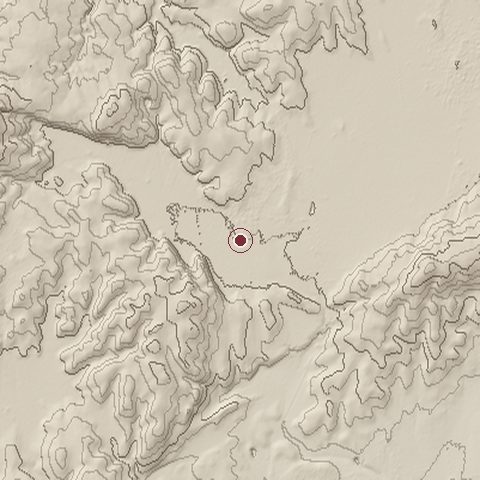
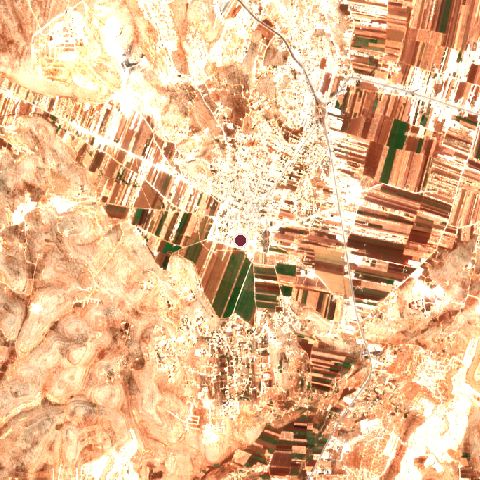
The recorded site stands at about 372 m; within 10.0 km the ground runs from 292 to 577 m, 285 m of relief, hilly country and today it is 36% grassland, 34% cropland, 17% built-up.
Elevation from the Copernicus DEM GLO-30 (ESA, Airbus); land cover from ESA WorldCover 2021 (CC BY 4.0), within about 5 km of the recorded site. Computed, not recorded.Nearest engagements
- Battle of Azaz 1125, same recorded site
- Battle of Immae AD 272, 15 km NW
- Battle of Harim 1164, 18 km W
- Battle of Mount Gindarus 38 BC, 24 km N
- Battle of Sarmin 1115, 31 km S
In the same war
- Before: Battle of Sarmin 14 September 1115
- After: Battle of Hab 1119
- All 107 engagements of Crusades
Elsewhere in 1119
- Battle of Brémule France
- Siege of Laodicea Turkey
Battle of Ager Sanguinis is one of 438 engagements of the 12th century in the atlas and one of 133 in present-day Syria.
Sources
Identity, coordinates, dates and the war from Wikidata Q622184, released under CC0. Result, belligerents, commanders, strength and casualties from the infobox of the English Wikipedia article Battle of the Field of Blood, revision 1383000602, read 2026-11-14, licensed CC BY-SA 4.0; the article's text is not reproduced here. Present-day country and state from Natural Earth. Dates before 1582 follow the Julian calendar as recorded.