battle, major, early modern
Battle of the Boyne
Battle of the Boyne was a battle fought on 1 July 1690 at Drogheda, in what is now Ireland. It was part of the Williamite War in Ireland, which ran from 1689 to 1691. The recorded result: Williamite victory. Recorded strength: 36,000 against 23,500.
See it on the globe Read the article

Where it sits in the Williamite War in Ireland
Record
| Date | 1 July 1690 | |
|---|---|---|
| Place | Drogheda, Ireland 53.723N, 6.424W | |
| Kind | Battle, early modern | |
| Strength | 36,000 | 23,500 |
| Casualties and losses | 500 killed or wounded | 1,500 killed or wounded |
| Commanders |
|
|


The ground today
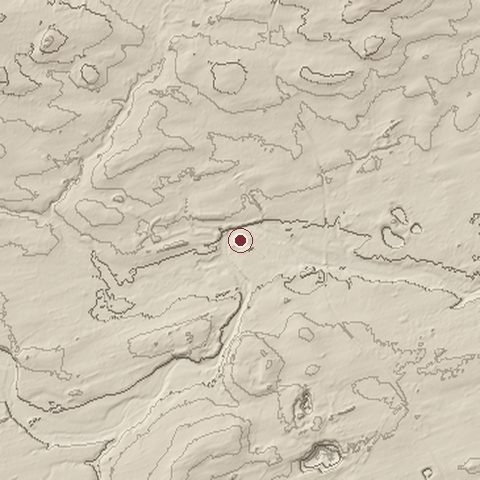
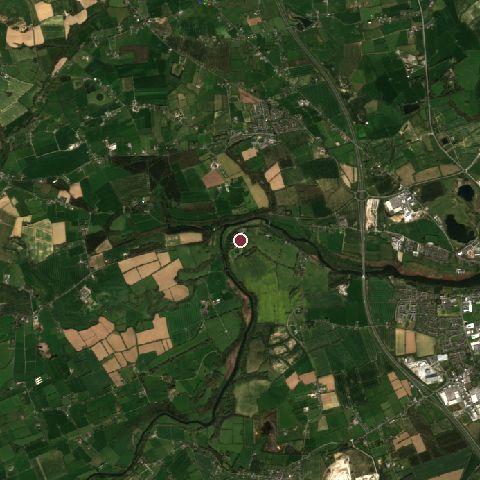
The recorded site stands at about 14 m; within 10.0 km the ground runs from -26 to 185 m, 211 m of relief, hilly country and today it is 53% grassland, 26% cropland, 17% tree cover.
Elevation from the Copernicus DEM GLO-30 (ESA, Airbus); land cover from ESA WorldCover 2021 (CC BY 4.0), within about 5 km of the recorded site. Computed, not recorded.Nearest engagements
- Siege of Drogheda 1649, 4.9 km E
- Siege of Drogheda 1641, 4.9 km E
- Battle of Julianstown 1641, 11 km SE
- Battle of Tara Hill 1798, 20 km SW
- Battle of Tara AD 980, 20 km SW
Contested ground: this site was fought over 3 times between 1641 and 1690.
In the same war
- Before: Battle of Cavan 1690
- After: Siege of Athlone 17 July 1690
- All 12 engagements of Williamite War in Ireland
Elsewhere in 1690
- Battle of Fleurus Belgium
- Battle of Beachy Head United Kingdom
- Battle of Quebec Canada
- Battle of Staffarda Italy
- Siege of Belgrade Serbia
Combat data (CDB90)
| Attacker: ENG ARMY | Defender: ENG & IRISH REB ARMY | |
| Strength | 35,000 | 23,000 |
| Casualties | 2,000 (5.7%) | 1,500 (6.5%) |
| Mission accomplishment, 1 to 10 | 9 | 5 |
| Outcome | attacker won | |
| Duration | 1 day | |
| Front width | 8 km | 5 km |
| Attacker advanced | 2 km | |
From the US Army Concepts Analysis Agency Database of Battles (CDB90, battle 43), public domain, in the CC0 tidy edition by Jeffrey B. Arnold. Figures are the database's estimates, compiled in 1990 from published histories, and may differ from the Wikipedia infobox above.
Battle of the Boyne is one of 1,470 engagements of the 17th century in the atlas and one of 114 in present-day Ireland.
Sources
Identity, coordinates, dates and the war from Wikidata Q644960, released under CC0. Result, belligerents, commanders, strength and casualties from the infobox of the English Wikipedia article Battle of the Boyne, revision 1383176498, read 2026-11-14, licensed CC BY-SA 4.0; the article's text is not reproduced here. Present-day country and state from Natural Earth. Dates before 1582 follow the Julian calendar as recorded.