battle, major, medieval
Battle of Patay
Battle of Patay was a battle fought on 18 June 1429 at Patay, in what is now France. It was part of the Hundred Years' War, which ran from 1337 to 1453. The recorded result: French victory. Recorded strength: 180 knights; 1,300 men-at-arms against 5,000.
See it on the globe Read the article

Where it sits in the Hundred Years' War
Record
| Date | 18 June 1429 | |
|---|---|---|
| Place | Patay, France 48.048N, 1.696E | |
| Kind | Battle, medieval | |
| Strength | 180 knights; 1,300 men-at-arms | 5,000 |
| Casualties and losses | 3 killed and 100 wounded | Over 2,000 killed; 2,500–4,000 killed or captured |
| Commanders |
|
|

The ground today
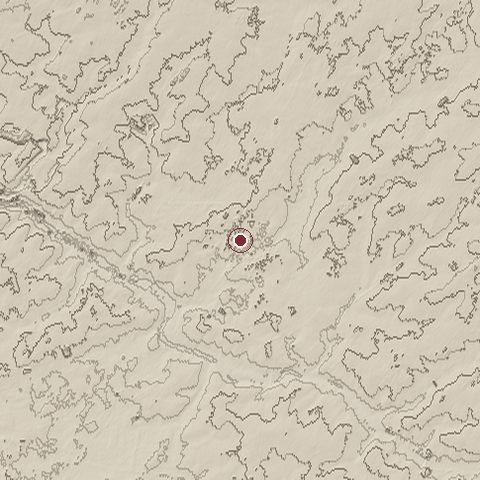
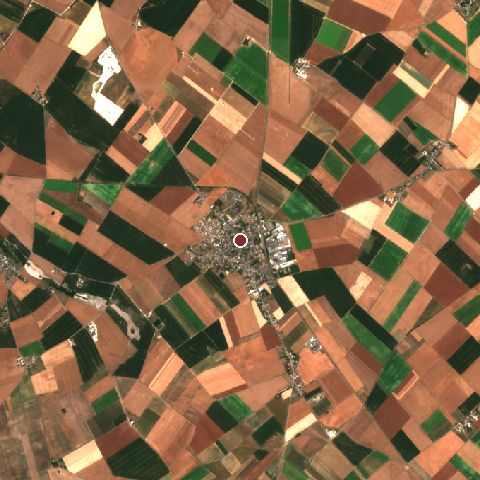
The recorded site stands at about 124 m; within 10.0 km the ground runs from 112 to 144 m, 32 m of relief, flat country and today it is 92% cropland, 4% built-up, 2% grassland.
Elevation from the Copernicus DEM GLO-30 (ESA, Airbus); land cover from ESA WorldCover 2021 (CC BY 4.0), within about 5 km of the recorded site. Computed, not recorded.Nearest engagements
- Battle of the Herrings 1429, 3.5 km NE
- Battle of Loigny-Poupry 1870, 9.1 km NE
- Battle of Coulmiers 1870, 13 km S
- Siege of Orléans 1562, 22 km SE
- Battle of Orleans AD 463, 23 km SE
In the same war
- Before: Battle of Beaugency 17 June 1429
- After: Battle of Jargeau 20 June 1429
- All 103 engagements of Hundred Years' War
Elsewhere in 1429
- Siege of Malta Malta
- Sea battle near Dänholm Germany
- Siege of Saint-Pierre-le-Moûtier France
- Siege of La Charité France
- Siege of Patras Greece
Battle of Patay is one of 720 engagements of the 15th century in the atlas and one of 1,383 in present-day France.
Sources
Identity, coordinates, dates and the war from Wikidata Q648535, released under CC0. Result, belligerents, commanders, strength and casualties from the infobox of the English Wikipedia article Battle of Patay, revision 1382309133, read 2026-11-14, licensed CC BY-SA 4.0; the article's text is not reproduced here. Present-day country and state from Natural Earth. Dates before 1582 follow the Julian calendar as recorded.