battle, major, nineteenth century
Battle of Liaoyang
Battle of Liaoyang was a battle fought on 25 August 1904 at Liaoyang, in what is now People's Republic of China; it lasted 11 days. It was part of the Russo-Japanese War, which ran from 1904 to 1905. The recorded result: Japanese victory. Recorded strength: 127,360 men; 484 guns against 149,000 to 158,000 men; 673 guns.
See it on the globe Read the article

Where it sits in the Russo-Japanese War
Record
| Date | 25 August 1904 to 5 September 1904 | |
|---|---|---|
| Place | Liaoyang, People's Republic of China 41.264N, 123.177E | |
| Kind | Battle, nineteenth century | |
| Strength | 127,360 men; 484 guns | 149,000 to 158,000 men; 673 guns |
| Casualties and losses | 22,922; 5,537 killed; 18,603 wounded | 19,112; 3,611 killed; 14,301 wounded |
| Commanders |
| |


The ground today
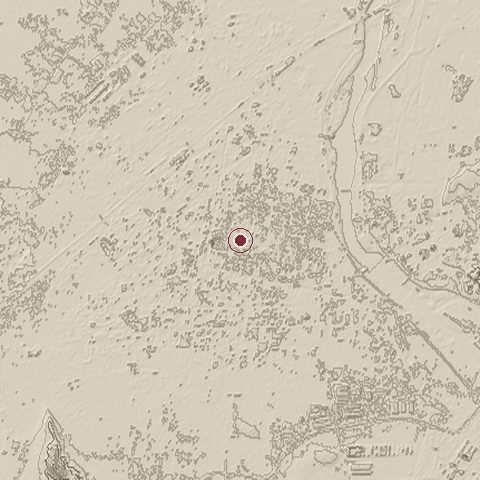
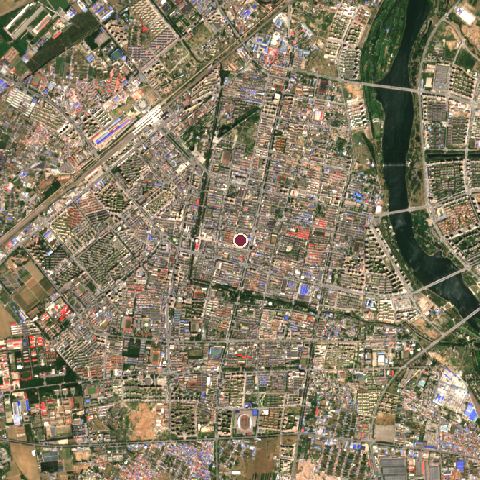
The recorded site stands at about 32 m; within 10.0 km the ground runs from 10 to 106 m, 96 m of relief, gently rolling country and today it is 79% built-up, 7% tree cover, 7% cropland.
Elevation from the Copernicus DEM GLO-30 (ESA, Airbus); land cover from ESA WorldCover 2021 (CC BY 4.0), within about 5 km of the recorded site. Computed, not recorded.Nearest engagements
- Battle of Hsimucheng 1904, 0.6 km NE
- Battle of Shaho 1904, 44 km NE
- Battle of Mukden 1905, 62 km N
- Battle of Sandepu 1905, 62 km N
- Siege of Ansi AD 645, 63 km SW
In the same war
- Before: Battle of Korsakov 20 August 1904
- After: Battle of Shaho 5 October 1904
- All 18 engagements of Russo-Japanese War
Elsewhere in 1904
- Battle of Waterberg Namibia
- Battle of the Cunene Angola
- Battle of Shinanah Saudi Arabia
- Battle of Unaizah Saudi Arabia
- Battle of Masoller Uruguay
Combat data (CDB90)
| Attacker: JAP ARMY GROUP | Defender: RUSS ARMY GROUP | |
| Strength | 135,000 | 150,000 |
| Casualties | 17,500 (13.0%) | 16,500 (11.0%) |
| Mission accomplishment, 1 to 10 | 6 | 4 |
| Outcome | attacker won | |
| Duration | 2 days | |
| Front width | 42 km | 42 km |
| Attacker advanced | 25 km | |
From the US Army Concepts Analysis Agency Database of Battles (CDB90, battle 244), public domain, in the CC0 tidy edition by Jeffrey B. Arnold. Figures are the database's estimates, compiled in 1990 from published histories, and may differ from the Wikipedia infobox above.
Battle of Liaoyang is one of 2,997 engagements of the 20th century in the atlas and one of 339 in present-day People's Republic of China.
Sources
Identity, coordinates, dates and the war from Wikidata Q2440191, released under CC0. Result, belligerents, commanders, strength and casualties from the infobox of the English Wikipedia article Battle of Liaoyang, revision 1370447606, read 2026-11-14, licensed CC BY-SA 4.0; the article's text is not reproduced here. Present-day country and state from Natural Earth. Dates before 1582 follow the Julian calendar as recorded.