battle, landmark, medieval
Battle of Kosovo
Battle of Kosovo was a battle fought on 28 June 1389 at Kosovo Field, in what is now Kosovo. It was part of the Ottoman Wars in Europe, which ran from 1354 to 1683. The recorded result: Inconclusive. Recorded strength: 27,000–30,000; higher estimates up to 40,000 against 12,000–20,000; higher estimates up to 25,000.
See it on the globe Read the article

Where it sits in the Ottoman Wars in Europe
Record
| Date | 28 June 1389 | |
|---|---|---|
| Place | Kosovo Field, Kosovo 42.630N, 21.120E | |
| Kind | Battle, medieval | |
| Strength | 27,000–30,000; higher estimates up to 40,000 | 12,000–20,000; higher estimates up to 25,000 |
| Casualties and losses | Very heavy | |
| Commanders |
|
|

The ground today
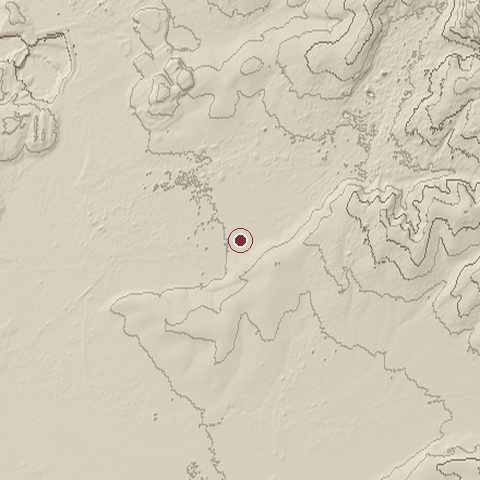
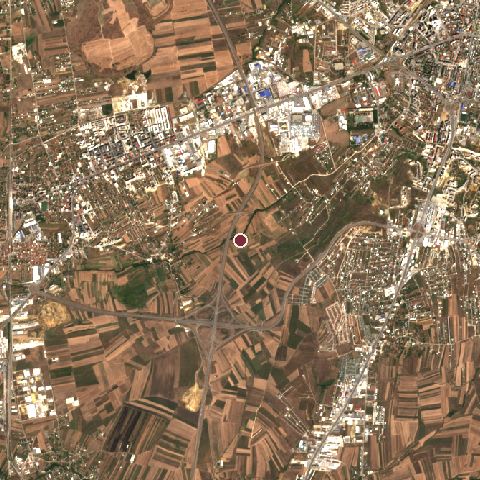
The recorded site stands at about 552 m; within 10.0 km the ground runs from 503 to 730 m, 227 m of relief, hilly country and today it is 51% cropland, 34% built-up, 11% grassland.
Elevation from the Copernicus DEM GLO-30 (ESA, Airbus); land cover from ESA WorldCover 2021 (CC BY 4.0), within about 5 km of the recorded site. Computed, not recorded.Nearest engagements
- Battle of Kosovo 1448, same recorded site
- Battle of Tripolje 1402, 7.3 km SE
- Siege of Novo Brdo 1440, 26 km E
- Siege of Novo Brdo 1455, 26 km E
- Battle of Pantina 1167, 38 km NW
In the same war
- Before: Battle of Savra 18 September 1385
- After: Siege of Ohrid 1395
- All 35 engagements of Ottoman Wars in Europe
Elsewhere in 1389
- Battle of Åsle Sweden
- Kronberger feud Germany
- Capture of Tlemcen Algeria
Battle of Kosovo is one of 566 engagements of the 14th century in the atlas and one of 7 in present-day Kosovo.
Sources
Identity, coordinates, dates and the war from Wikidata Q179288, released under CC0. Result, belligerents, commanders, strength and casualties from the infobox of the English Wikipedia article Battle of Kosovo, revision 1382317670, read 2026-11-14, licensed CC BY-SA 4.0; the article's text is not reproduced here. Present-day country and state from Natural Earth. Dates before 1582 follow the Julian calendar as recorded.