battle, major, medieval
Battle of Klokotnitsa
Battle of Klokotnitsa was a battle fought on 9 March 1230 at Klokotnitsa, in what is now Bulgaria. It was part of the Byzantine–Bulgarian Wars, which ran from AD 680 to 1355. The recorded result: Bulgarian victory.
See it on the globe Read the article

Where it sits in the Byzantine–Bulgarian Wars
Record
| Date | 9 March 1230 | |
|---|---|---|
| Place | Klokotnitsa, Bulgaria 41.983N, 25.500E | |
| Kind | Battle, medieval | |
| Strength | 20,000 on the river bank and 1,000 Cumans in the forests; Total: 21,000 men | 20,000 Byzantine soldiers; 2,000–4,000 German knights |
| Casualties and losses | Light | Moderate; Many captured and killed, but most men were allowed to return to their homelands unharmed. |
| Commanders |
|
|
The ground today
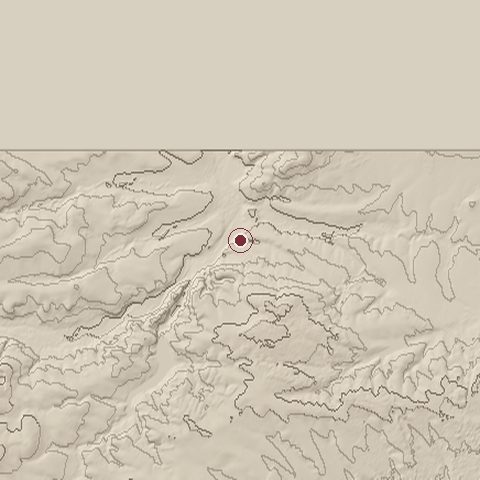
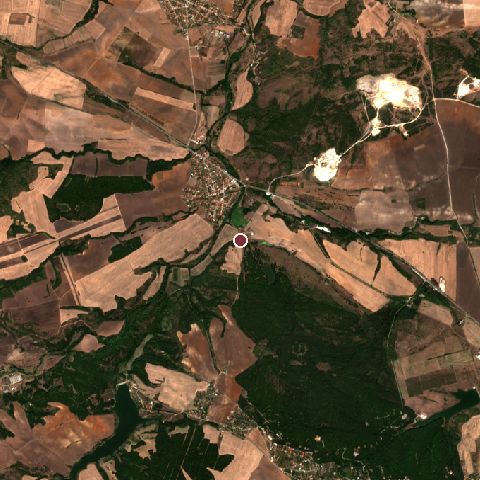
The recorded site stands at about 148 m; within 10.0 km the ground runs from 0 to 284 m, 284 m of relief, hilly country and today it is 43% tree cover, 41% cropland, 12% grassland.
Elevation from the Copernicus DEM GLO-30 (ESA, Airbus); land cover from ESA WorldCover 2021 (CC BY 4.0), within about 5 km of the recorded site. Computed, not recorded.Nearest engagements
- Battle of Mardia AD 316, 34 km E
- Battle of Kardzhali 1912, 39 km S
- Battle of Beroia 1122, 52 km N
- Battle of Boruy 1208, 52 km N
- Battle of Philippopolis AD 250, 65 km W
In the same war
- Before: Battle of Adrianople 14 April 1205
- After: Siege of Constantinople 1235
- All 39 engagements of Byzantine–Bulgarian Wars
Elsewhere in 1230
- Battle of Yassıçemen Turkey
- Siege of Jaén Spain
- Siege of Arta Spain
- Battle of Hama Syria
- Siege of Macunsa Peru
Battle of Klokotnitsa is one of 590 engagements of the 13th century in the atlas and one of 118 in present-day Bulgaria.
Sources
Identity, coordinates, dates and the war from Wikidata Q1459494, released under CC0. Result, belligerents, commanders, strength and casualties from the infobox of the English Wikipedia article Battle of Klokotnitsa, revision 1370445622, read 2026-11-14, licensed CC BY-SA 4.0; the article's text is not reproduced here. Present-day country and state from Natural Earth. Dates before 1582 follow the Julian calendar as recorded.