battle, major, medieval
Battle of Firaz
Battle of Firaz was a battle fought in AD 634 at Iraq. Its exact site is not recorded; the atlas places it at Iraq. It was part of the Muslim conquest of Persia, which ran from AD 633 to AD 654. The recorded result: Disputed (see #Views of historians). Recorded strength: 500–800 men (modern estimates) against Unknown, possibly slightly more (modern estimates).
See it on the globe Read the article

Where it sits in the Muslim conquest of Persia
Record
| Date | AD 634 (year precision) | |
|---|---|---|
| Place | Iraq 33.000N, 43.000E | |
| Kind | Battle, medieval | |
| Strength | 500–800 men (modern estimates) | Unknown, possibly slightly more (modern estimates) |
| Commanders |
| |

The ground today
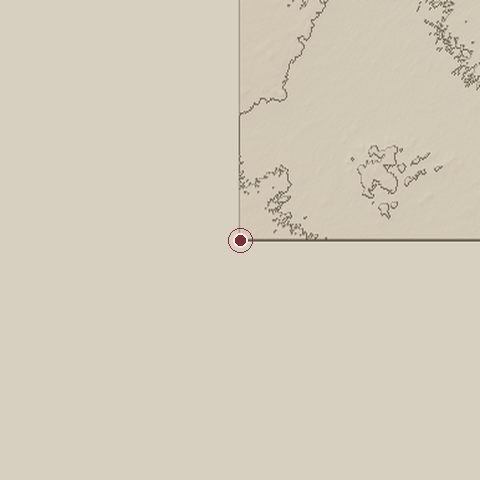
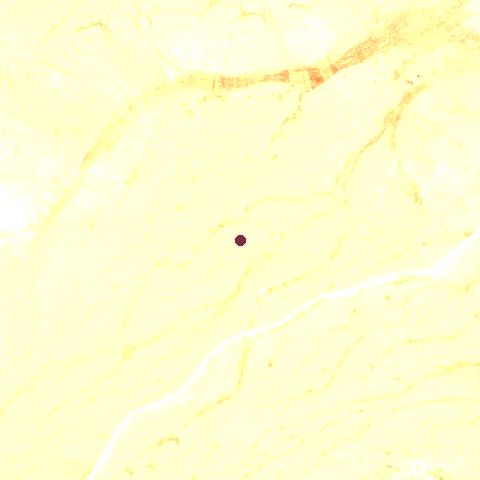
The recorded site stands at about 0 m; within 10.0 km the ground runs from 0 to 117 m, 117 m of relief, gently rolling country and today it is 100% bare ground.
Elevation from the Copernicus DEM GLO-30 (ESA, Airbus); land cover from ESA WorldCover 2021 (CC BY 4.0), within about 5 km of the recorded site. Computed, not recorded.Nearest engagements
- Battles of Ramadi 1917, 32 km NE
- Battle of Ayn al-Tamr AD 633, 67 km SE
- Siege of Pirisabora AD 363, 79 km NE
- Siege of Perisabor AD 363, 79 km NE
- Battle of Misiche AD 244, 85 km NE
In the same war
- Before: Battle of Saniyy AD 633
- After: Battle of Namaraq AD 634
- All 26 engagements of Muslim conquest of Persia
Elsewhere in AD 634
- Battle of Ajnadayn Israel
- Siege of Damascus Syria
- Battle of Fahl Jordan
- Battle of Bosra Syria
- Battle of al-Qaryatayn Syria
Battle of Firaz is one of 179 engagements of the 7th century in the atlas and one of 173 in present-day Iraq.
Sources
Identity, coordinates, dates and the war from Wikidata Q738132, released under CC0. Result, belligerents, commanders, strength and casualties from the infobox of the English Wikipedia article Battle of Firaz, revision 1383792820, read 2026-11-14, licensed CC BY-SA 4.0; the article's text is not reproduced here. Present-day country and state from Natural Earth. Dates before 1582 follow the Julian calendar as recorded.