battle, major, interwar and Second World War
Bombing of Darwin
Bombing of Darwin was a battle fought on 19 February 1942 at Darwin, in what is now Australia. It was part of the South West Pacific theater of World War II. The recorded result: Japanese victory.
See it on the globe Read the article

Where it sits in the South West Pacific theater of World War II
Record
| Date | 19 February 1942 | |
|---|---|---|
| Place | Darwin, Australia 12.475S, 130.850E | |
| Kind | Battle, interwar and Second World War | |
| Strength | 31 aircraft; 18 antiaircraft guns; 1 destroyer; 1 seaplane tender; 2 sloops; 4 minesweepers/corvettes; 4 boom defence vessels; 9 merchant ships/transports; 1 hospital ship; 23 auxiliary vessels; 12 pearling luggers | 242 aircraft (188 carrier-based aircraft; 54 land-based medium bomber aircraft); 4 aircraft carriers; 2 heavy cruisers; 1 light cruiser; 7 destroyers; 3 submarines |
| Casualties and losses | 236 killed; 300–400 wounded; 30 aircraft destroyed; 11 vessels sunk; 3 vessels grounded; 25 ships damaged | 2 killed; 1 POW; 34 carrier aircraft damaged |
| Commanders |
|
|

The ground today
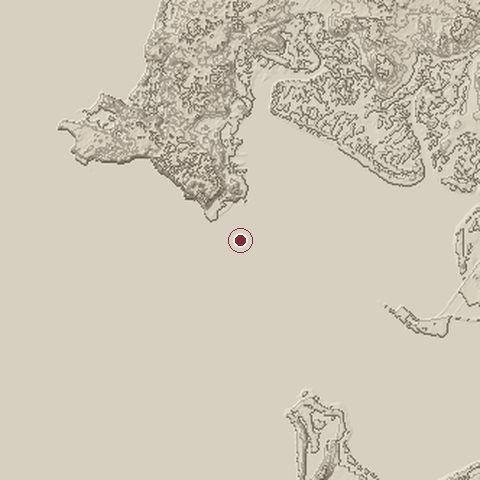
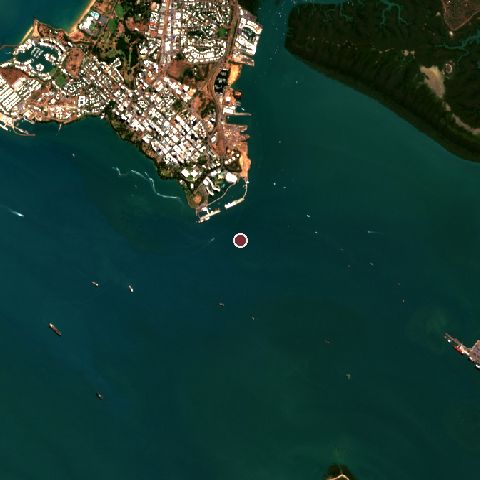
The recorded site stands at about 0 m; within 10.0 km the ground runs from -1 to 52 m, 52 m of relief, gently rolling country and today it is 80% water, 8% built-up, 5% mangrove.
Elevation from the Copernicus DEM GLO-30 (ESA, Airbus); land cover from ESA WorldCover 2021 (CC BY 4.0), within about 5 km of the recorded site. Computed, not recorded.Nearest engagements
- Battle of Timor 1942, 820 km W
- Battle of Penfui 1749, 825 km W
- Battle of Ambon 1942, 1021 km N
- Battle of Noemfoor 1944, 1354 km N
- Battle of Mubo 1943, 1357 km NE
In the same war
Elsewhere in 1942
- Battle of Stalingrad Russia
- Battle of Midway United States
- Second Battle of El Alamein Egypt
- First Battle of El Alamein Egypt
- Battle of Singapore Singapore
Bombing of Darwin is one of 2,997 engagements of the 20th century in the atlas and one of 9 in present-day Australia.
Sources
Identity, coordinates, dates and the war from Wikidata Q696557, released under CC0. Result, belligerents, commanders, strength and casualties from the infobox of the English Wikipedia article Bombing of Darwin, revision 1384561476, read 2026-11-14, licensed CC BY-SA 4.0; the article's text is not reproduced here. Present-day country and state from Natural Earth. Dates before 1582 follow the Julian calendar as recorded.