battle, major, ancient
Battle of Bibracte
Battle of Bibracte was a battle fought in 58 BC at Saône-et-Loire, in what is now France. It was part of the Gallic War, which ran from 58 BC to 51 BC. The recorded result: Roman victory.
See it on the globe Read the article

Where it sits in the Gallic War
Record
| Date | 58 BC (year precision) | |
|---|---|---|
| Place | Saône-et-Loire, France 46.917N, 4.033E | |
| Kind | Battle, ancient | |
| Strength | Caesar: 40,000 troops: 25,000–30,000 legionaries; unknown number auxiliaries; unknown number allied infantry; 4,000 allied cavalry; Engaged: 30,000 troops; 4 legions and auxiliaries | Tribes: 368,000 people: 90,000 warriors; 278,000 non-combatants; Ancient historians: Pollio: 157,000 people; Orosius: 157,000 people; Livy: 157,000 people; Modern historians: Delbrück: 12,000 warriors; Gilliver: 50,000 warriors |
| Casualties and losses | Caesar: unknown | Tribes: 238,000 killed or captured |
| Commanders |
| |

The ground today
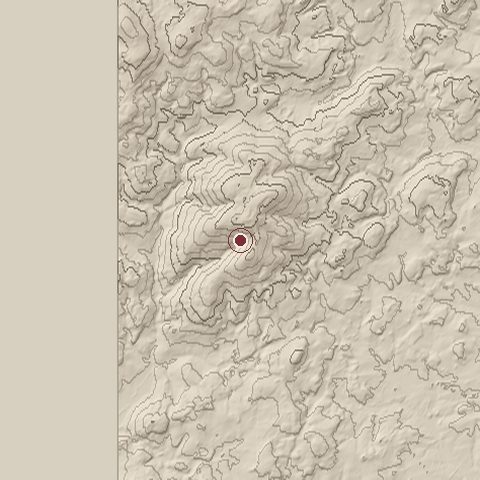
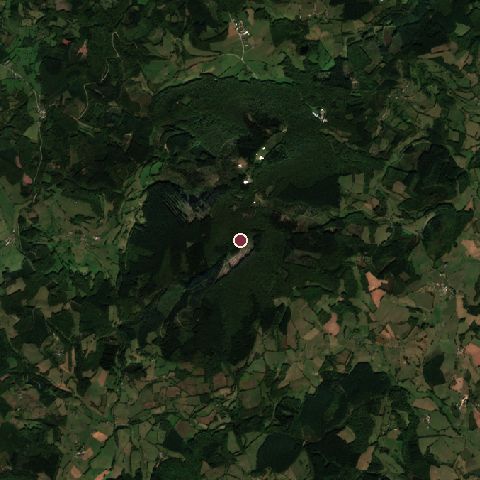
The recorded site stands at about 662 m; within 10.0 km the ground runs from 0 to 870 m, 870 m of relief, steep country and today it is 72% tree cover, 26% grassland.
Elevation from the Copernicus DEM GLO-30 (ESA, Airbus); land cover from ESA WorldCover 2021 (CC BY 4.0), within about 5 km of the recorded site. Computed, not recorded.Nearest engagements
- Siege of Augustodunum Haeduorum AD 269, 21 km E
- Battle of Autun AD 532, 21 km E
- Siege of Autun AD 356, 21 km E
- Battle of Chateauneuf 1870, 57 km NE
- Battle of Cavillonum 58 BC, 64 km E
In the same war
- Before: Battle of Magetobria 63 BC
- After: Battle of the Arar 58 BC
- All 26 engagements of Gallic War
Battle of Bibracte is one of 159 engagements of the 1st century BC in the atlas and one of 1,383 in present-day France.
Sources
Identity, coordinates, dates and the war from Wikidata Q635028, released under CC0. Result, belligerents, commanders, strength and casualties from the infobox of the English Wikipedia article Battle of Bibracte, revision 1379367433, read 2026-11-14, licensed CC BY-SA 4.0; the article's text is not reproduced here. Present-day country and state from Natural Earth. Dates before 1582 follow the Julian calendar as recorded.